
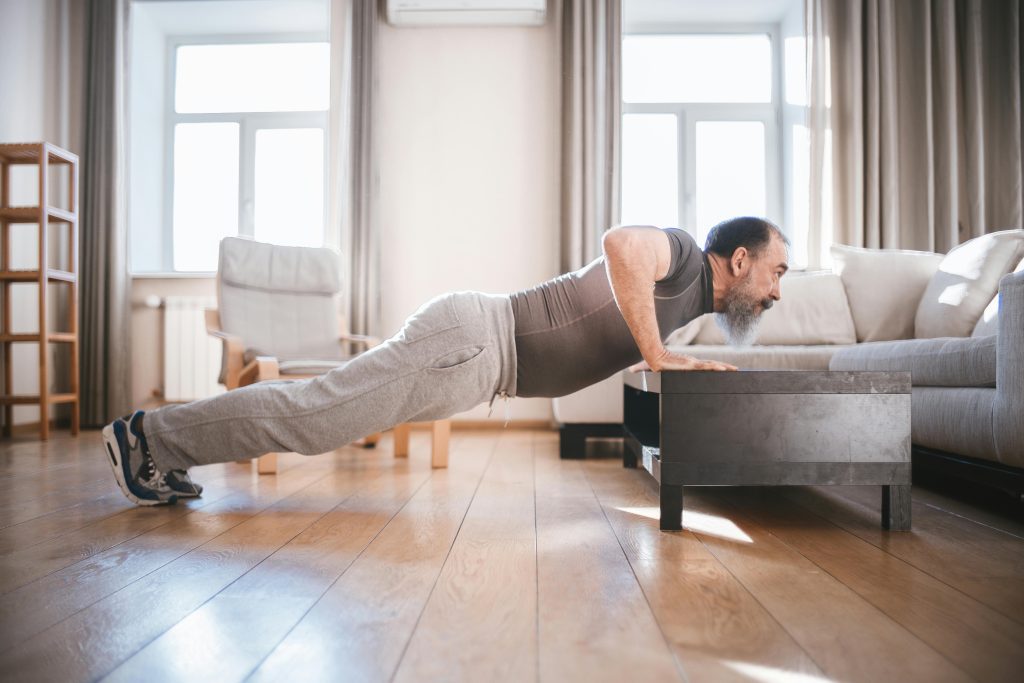
You can and should get stronger during prostate cancer treatment. Strength training can counter the side effects of prostate cancer treatment without compromising its effectiveness.
Androgen Deprivation Therapy (ADT) is an essential tool in treating prostate cancer, but it comes with a heavy toll. Many men experience serious side effects like muscle loss, fatigue, and increased fat that threaten physical function and independence. Fortunately, resistance training can significantly reduce or even reverse many of these issues.
“Resistance training offers a direct and potent defense against the muscle-wasting effects of androgen deprivation therapy, helping to rebuild strength, preserve lean mass, and improve balance,” says Dr. Daniel A. Galvão, Director of the Exercise Medicine Research Institute at Edith Cowan University.
Understanding the trade-offs of ADT
ADT works by lowering testosterone levels, which helps slow or shrink prostate tumors. However, testosterone is also essential for maintaining muscle mass, bone density, and energy levels. Over time, this hormonal suppression can lead to a condition known as Androgen Deprivation and Sarcopenia-Related Disorders.
The most common disorders are loss of muscle (sarcopenia), lower bone density, higher body fat, and extreme fatigue. Together, these changes chip away at quality of life and make everyday tasks harder. The risks are especially concerning for older adults already vulnerable to frailty. If left unaddressed, the result can be reduced mobility, a greater risk of falls, loss of independence, and mortality.
Strength training delivers big results
Resistance training offers a direct countermeasure to the physical decline linked to ADT. Studies show significant improvements in both muscle strength and endurance among men who incorporate structured training into their routine.
One study reported a 96% increase in leg press strength and a 167% improvement in leg press endurance in men on ADT who engaged in resistance training. These improvements help preserve lean muscle mass and prevent the increase in fat mass often seen during treatment.
In practical terms, this means more energy, improved balance, less fatigue, and the ability to carry out daily activities with greater ease. That translates into a better quality of life and more confidence in everyday movement.
“Even simple, regular resistance exercise such as moderate lifting or bodyweight routines can meaningfully reduce fatigue and boost everyday physical function, keeping men more active and independent during prostate cancer treatment,” Dr. Galvão adds.
Concerns about whether exercise might interfere with cancer treatment are common but unfounded. Clinical trials confirm resistance training does not raise testosterone levels or affect prostate-specific antigen (PSA) levels, meaning it doesn’t reduce the effectiveness of ADT.
How to get started
If you’re new to exercise or it’s been a while since you’ve moved regularly, it’s never too late to start. And you don’t have to go it alone.
Talk to your doctor first. Before beginning any exercise program, especially during cancer treatment, speak with your healthcare team. They can help determine what’s safe and appropriate for your current health and treatment plan.
Seek professional guidance. Ask for a referral to a clinical exercise physiologist, physiotherapist, or fitness trainer with experience in cancer care. These professionals understand how ADT affects the body and can design a tailored program that builds strength safely and gradually.
Look for community-based programs. Many cancer support centers, local councils, hospitals, and gyms offer group classes specifically for people affected by cancer. These programs provide expert supervision, social support, and a structured path forward whether you’re lifting light weights, using resistance bands, or doing chair-based exercises.
Start slow, stay safe, and be consistent.
- Begin with short sessions (10–20 minutes) a few times a week.
- Focus on large muscle groups with simple, low-impact movements.
- Gradually increase resistance and duration as your strength and confidence grow.
The most important step is the first one. Even small efforts add up over time and when guided by the right support, you’re more likely to stick with it and see real, lasting benefits.
Even light movement makes a difference
It’s not all about lifting weights. Research also shows that a simple, home-based brisk walking program can help reduce fatigue and improve endurance. Gentle but consistent activity has a cumulative effect which will help you feel more energised and capable over time. But for real gains in strength and daily function, resistance training is the go-to.
Quality of life and independence
Exercise isn’t just about looking better, it’s about living better. For men on ADT, resistance training is a practical, low-cost tool that helps you preserve strength, improve energy, and maintain independence. That’s a big win. Not just for you, but for your family and caregivers, too.
“Resistance exercise is one of the few interventions that directly combats the muscle-wasting effects of ADT,” says Dr. Robert Newton, Professor of Exercise Medicine at Edith Cowan University’s Exercise Medicine Research Institute. “It not only supports physical health but also plays a vital role in emotional resilience and quality of life.”
Keep moving.