
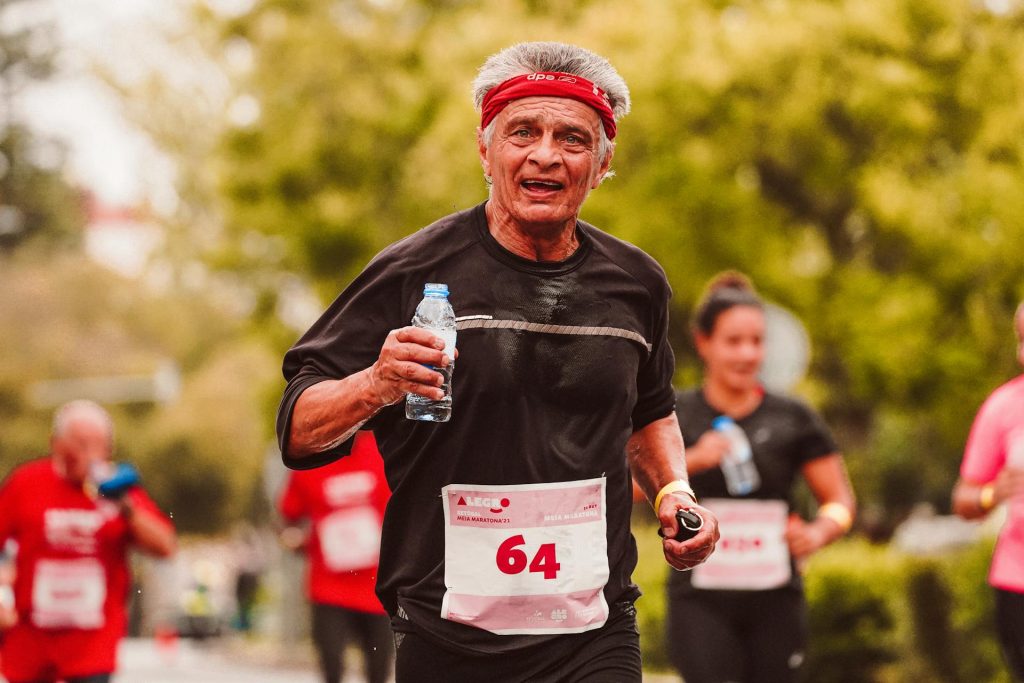
Recovering from prostate cancer treatment often means finding ways to rebuild strength, energy, and confidence in daily life. One of the most effective tools to reduce prostate cancer mortality is walking at a brisk pace. Far from being just light exercise, brisk walking has been shown to support physical recovery, reduce fatigue, and even improve long-term health outcomes for men with prostate cancer.
Brisk walking benefits and prostate cancer survival
Walking at a brisk pace offers several benefits that can help you recover from prostate cancer:
1. Maintain muscle and mobility
Brisk walking engages major muscle groups in your legs, core, and upper body. This helps preserve muscle and maintain mobility, counteracting the muscle loss that often follows cancer treatment.
2. Strengthen your heart and lungs
Moderate-intensity walking raises your heart rate, improving cardiovascular fitness and circulation. Better circulation helps deliver oxygen and nutrients to muscles and organs, supporting recovery.
3. Reduce fatigue and boost energy
Even if you feel tired from treatment, brisk walking can increase your energy levels, making it easier to handle daily activities.
4. Support mental well-being
Walking releases endorphins, which can reduce stress, anxiety, and feelings of depression. Spending time outdoors also improves sleep and vitamin D production.
5. Manage weight and metabolism
Regular brisk walking helps burn calories, maintain a healthy weight, and improve metabolism, important factors for your long-term health after prostate cancer.
The science on how to reduce prostate cancer mortality
Prostate cancer treatment, including surgery and hormone therapy, often leads to muscle loss, reduced stamina, and increased fatigue. These side effects can make it harder for you to stay active, creating a cycle of weakness and inactivity.
Research shows brisk walking to be a safe, low-impact way to break the cycle. By raising your heart rate and engaging your muscles, brisk walking helps restore strength, improve energy levels, and lowers the risk of prostate cancer progression and death.
Brisk walking helps:
- Slow disease progression: Men who walked briskly for three or more hours per week had a 57% lower rate of cancer progression compared to men who walked slowly for less time. Importantly, pace mattered more than duration in lowering this risk.
- Reduce mortality: Vigorous activity, like walking, cycling, tennis, or jogging, for three or more hours per week helped reduce prostate cancer mortality by 61%. Even walking or cycling for just 20 minutes a day lowered this risk by 39%.
- Provide active surveillance benefits: if you are on active surveillance, staying active has been linked to slower PSA increases and a reduced likelihood of cancer reclassification.
What counts as brisk walking?
Brisk walking isn’t a casual stroll in the park. It’s when you walk fast enough to raise your heart rate and breathing, but still feel able to hold a conversation. For most people, this means walking at about 4.8–6.4 km/h (3–4 miles per hour). You should feel warm and slightly out of breath, but not exhausted.
A useful way to gauge intensity is by heart rate. Brisk walking typically puts you in the moderate-intensity zone, which is about 60–75% of your maximum heart rate. A simple way to estimate maximum heart rate is 220 minus your age. For example, if you’re 60 years old, your estimated maximum heart rate is 160 beats per minute (bpm). That makes your brisk walking target range roughly 80–110 bpm.
You don’t always need a heart rate monitor. How you feel is often enough. If you can talk in full sentences but not sing, you’re likely walking at the right pace.
I can’t walk. How can I reduce prostate cancer mortality?
If walking isn’t possible because of surgery recovery, joint problems, or balance concerns, you still have plenty of options to reduce prostate cancer mortality. Other forms of moderate-intensity exercise can deliver many of the same benefits as brisk walking. The same rule of thumb applies: aim to feel slightly out of breath but you can still hold a conversation.
Stationary cycling
Cycling on a stationary bike is easy on your joints and allows you to control the intensity. Start with a comfortable pace and gradually increase resistance as your fitness improves. Cycling strengthens your legs, supports cardiovascular health, and is a safe indoor option year-round.
Indoor rowing
A rowing machine provides a full-body workout, engaging both the upper and lower body. It improves muscle strength, endurance, and cardiovascular health in a low-impact way. Begin with short sessions and focus on proper form to avoid strain.
Swimming or water exercise
Water-based activities are gentle on joints while still providing resistance that builds strength. Swimming laps, walking in the pool, or taking part in water aerobics all raise your heart rate while reducing the risk of injury.
Resistance training
If your mobility is limited, simple resistance exercises with bands or light weights can help maintain your muscle and bone strength. These can be done at home or in a gym, and even short sessions provide lasting benefits.
The bottom line
Consistency matters. It’s about staying active in ways that are safe and sustainable for you. Whether you walk, cycle, swim, or row, aim to stay active most days of the week to help reduce prostate cancer mortality, regain your strength, improve energy, and slow, even prevent prostate cancer progression.
Keep moving.