
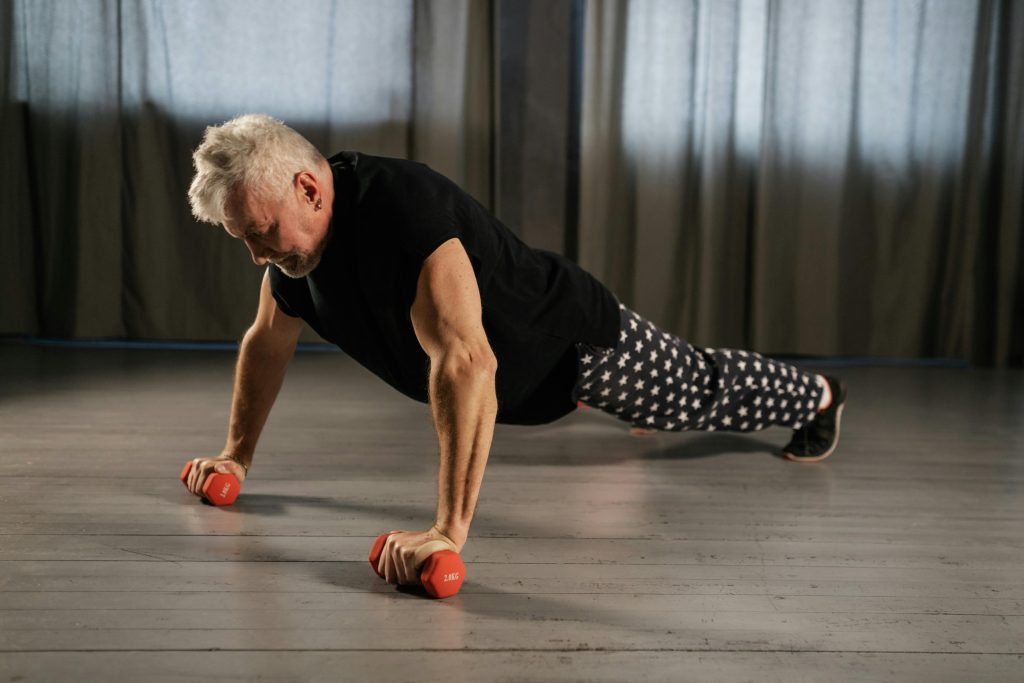
Prostate cancer exercise guidelines for men living with prostate cancer, their families and friends.
Prostate cancer is the most common cancer among men in Australia, with around 16,500 new cases each year. The outlook is often positive. Research shows about 95% of men are still disease-free five years after their diagnosis.
Treatment can include surgery, radiation therapy, hormone therapy, chemotherapy, or targeted drugs. While these treatments are effective, they can bring side effects such as:
- Urinary leakage
- Lower sex drive or erectile problems
- Tiredness
- Digestive changes like diarrhoea
- Loss of muscle and bone strength
- Weight gain
- Anxiety or depression
- Higher risk of other long-term health problems
How Exercise Helps During Prostate Cancer Recovery
Exercise is not only safe for men with prostate cancer it’s a powerful tool for recovery. Staying active can:
- Reduce side effects like fatigue, muscle loss, and low mood
- Help keep strength and function during and after treatment
- Lower the risk of cancer returning
- Reduce the risk of other chronic illnesses
- Improve overall survival rates
What Types of Exercise Work Best?
Research shows both aerobic exercise (like walking, cycling, or swimming) and resistance training (like weights or bodyweight movements) are safe and effective.
- Aerobic Exercise: Walking, cycling, or even soccer training have been studied. These activities improve heart health and stamina. If cancer has spread to the bones or if you have severe osteoporosis, exercise should be carefully adjusted to lower the risk of fractures.
- Resistance Training: Strength-based movements like squats, presses, or rows build muscle and protect bone health. Skipping weight-bearing exercises can make bone loss worse, so it’s important to include them safely under professional guidance.
- Exercise Intensity: Aim for moderate effort, enough to make you “puff,” where you can still talk but not sing. What counts as moderate depends on your current fitness and how you’re feeling. Slow walking may be enough when you’re tired, while faster walking or more effort may be needed as you get stronger.
- How Much: The goal is at least 150 minutes of exercise per week, spread over several days. Sessions can be as short as 10 minutes. Resistance training should target all major muscle groups, ideally not on back-to-back days. Up to 300 minutes per week may bring extra benefits, but build up gradually.
Do You Need Supervision?
Many men can exercise on their own after prostate cancer, but professional support can help, especially during treatment. An accredited exercise physiologist, physiotherapist or personal trainer trained in exercise for cancer can:
- Tailor workouts to your needs
- Help with motivation and safety
- Adjust exercises when side effects are stronger
- Reduce risks like falls or injuries
If you already have a favorite type of exercise, talk with a professional trained in exercise oncology about safe ways to keep it in your routine.
Common Concerns About Exercise
1. Fear of Worsening Symptoms
Many men worry exercise will make fatigue, pain, or nausea worse. In fact, regular activity often reduces these problems, or at least makes them less severe. Keeping a simple diary of exercise and symptoms can show that movement usually helps rather than harms.
2. Trouble Exercising During Tough Treatment Days
Some days, especially after chemotherapy, your usual routine may feel impossible. Instead of skipping exercise completely, plan a lighter “bad day” workout like stretching, gentle walking, or breathing exercises. This helps keep the habit going and protects function.
3. Feeling Discouraged by Slow Progress
During active treatment, big improvements aren’t always realistic. But exercise still helps prevent the usual decline in strength and stamina. Even if you don’t feel stronger right away, you’re stopping yourself from losing more ground.
4. Everyday Barriers
Like all men, survivors face challenges such as lack of time, money, or motivation. Prostate cancer can make these barriers harder, or sometimes easier, if health becomes more of a priority. Finding a routine that fits your life is key.
Weekly Exercise Plans You Can Try
Beginner Plan (Low Energy / Early Recovery)
Focus: Gentle movement, building routine, protecting strength
Day 1 – Gentle Walk
- 10 minutes at an easy pace
- Optional: 1–2 short breaks
Day 2 – Pelvic Floor + Stretching
- 2–3 sets of 10 pelvic floor contractions
- 10 minutes of gentle stretching (hamstrings, calves, back, shoulders)
Day 3 – Light Aerobic Activity
- 10–15 minutes cycling (stationary) or walking at moderate pace
- Aim for light puffing
Day 4 – Rest or Gentle Yoga
- Take a full rest day if tired
- Or try 10–15 minutes of gentle yoga or breathing exercises
Day 5 – Light Strength
- 2 rounds:
- 8–10 sit-to-stands from a chair
- 8 wall push-ups
- 10 step-ups (use low step, support for balance)
Day 6 – Gentle Walk + Stretch
- 10–15 minutes easy walk
- End with 5 minutes of stretching
Day 7 – Core + Flexibility
- 2 sets of 10 pelvic floor contractions
- 5 minutes of light stretching or balance work (standing heel raises, gentle side steps)
Fitter Plan (More Energy / Later Recovery)
Focus: Building strength, stamina, and confidence
Day 1 – Brisk Walk + Strength
- 20 minutes brisk walking
- 2–3 rounds:
- Slow bodyweight squats. As many as you can.
- Slow wall or counter push-ups – As many as you can
- As many slow rows with band or light weights as you can
Day 2 – Core + Flexibility
- 3 sets of 10 pelvic floor contractions
- 15 minutes stretching (hips, chest, hamstrings, shoulders)
- Optional: 20–30 sec side planks (2–3 times each side)
Day 3 – Aerobic Session
- 25–30 minutes cycling, swimming, or fast walking
- Moderate intensity (“talk but not sing” pace)
Day 4 – Rest or Active Recovery
- Rest day if needed
- Or 15–20 minutes yoga, tai chi, or gentle walk
Day 5 – Resistance Training
- 3 rounds of:
- Squats: 10–12 reps
- Overhead presses (light dumbbells or water bottles): 10-12 reps
- Bent-over rows: 10-12
- 20–30 seconds marching in place
Day 6 – Aerobic Mix
- 30 minutes brisk walking, cycling, or swimming
- Mix in 30–60 sec faster bursts if energy allows
Day 7 – Flexibility + Core
- 15 minutes stretching
- 2–3 sets of 10 pelvic floor contractions
- Optional: light yoga or balance drills
Tip: Both plans can be adjusted – shorter sessions on low-energy days, longer ones when feeling strong. The goal isn’t perfection; it’s steady movement that helps recovery.
The Bottom Line
Exercise is a safe and important part of prostate cancer treatment and recovery. It reduces side effects, protects long-term health, and may even improve survival. Start slowly, listen to your body, and get professional guidance when needed.
TAKE NOTE: Before starting any exercise program talk to you care team especially if you have any problems with your bones or other health concerns.
Keep moving.