
Groundbreaking Australian research shows exercise suppresses prostate cancer growth, even in advanced disease.
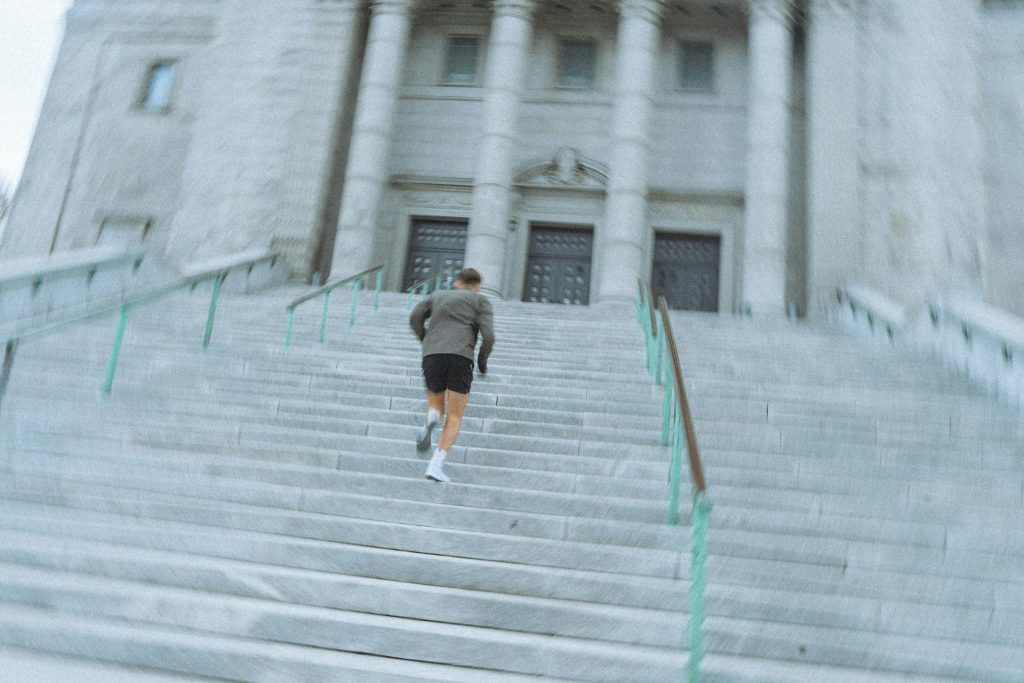
When John*, a 72-year-old retired mechanic from Perth, first heard the words advanced prostate cancer, the world seemed to narrow into a blur of medical terms and grim possibilities. His doctor outlined the standard regimen: hormone therapy to starve the tumor of testosterone, regular scans, and the likelihood of side effects ranging from hot flashes to muscle wasting.
What came next, however, startled him.
“Along with the medication, they told me to exercise. Proper exercise, not just pottering in the garden,” John recalled. “At first I thought, what difference could lifting weights possibly make to something as serious as cancer?”
That question lies at the heart of a growing field known as exercise oncology for advanced prostate cancer. And according to scientists at Edith Cowan University in Western Australia, the answer may be more profound than anyone imagined.
The science of sweat
The study, published in Prostate Cancer and Prostatic Diseases, brought together 25 men with incurable, late-stage prostate cancer. For 12 weeks, they followed a carefully supervised program of aerobic and resistance exercise – brisk walking, cycling, squats, and weight training.
Before and after the program, researchers collected blood samples and tested them against prostate cancer cells in the lab.
The transformation was striking.
- Blood taken after the exercise regimen contained higher levels of proteins that suppress tumor growth.
- Growth-promoting signals, essentially the biochemical “fuel” cancer cells crave, were sharply reduced.
- When applied to prostate cancer cells, the “post-exercise” blood slowed cell proliferation by nearly 17%.
Professor Robert Newton, co-director of ECU’s Exercise Medicine Research Institute, described the effect as “remarkable.”
“We’re not talking about exercise simply helping patients cope with fatigue or feel stronger,” Newton explained. “We’re seeing direct suppression of cancer activity. The body’s internal environment is shifting in a way that makes it hostile to the disease.”
This direct evidence shows how exercise suppresses prostate cancer growth in a measurable, biological way.
How exercise suppresses prostate cancer growth
Cancer researchers have long known exercise benefits overall health, but until recently, the mechanisms weren’t fully understood. The new findings suggest physical activity triggers a cascade of molecular changes which reduce inflammation, regulate hormones, and boost the immune system. These changes reshape how cancer behaves in the body.
“It’s like flipping a switch,” said Dr. Daniel Galvão, a senior researcher on the project. “Exercise mobilises proteins and signaling molecules that travel through the bloodstream, changing the landscape inside the body. In prostate cancer, that landscape becomes less fertile for tumors.”
The study adds momentum to the broader discipline of exercise oncology in advanced prostate cancer, which is redefining how physical activity is integrated into treatment strategies.
Living with advanced prostate cancer
Androgen deprivation therapy (ADT) side effects can be devastating. By shutting down testosterone production, ADT slows tumor growth but strips away muscle mass, increases fat deposits, and leaves you exhausted.
John experienced this firsthand. “I felt weaker, like my strength was draining out of me,” he said. “Climbing stairs left me winded. I started to wonder how long I’d be able to live independently.”
But as he progressed through the 12-week program, something shifted. His energy improved. He regained strength. More importantly, he felt he was taking an active role in his treatment.
“I could lift my grandkids again,” John said, smiling. “That felt like fighting back.”
This echoes what many experts now emphasize: resistance training for hormone-therapy side effects is not only safe but often transformative for men on ADT.
The bigger picture
Prostate cancer is the second most common cancer in men worldwide, with nearly 1.4 million new cases diagnosed each year. While survival rates are high when caught early, advanced prostate cancer remains difficult to manage.
Traditionally, lifestyle advice for men with late-stage disease has been limited to “stay active if you can.” But the ECU study challenges that notion, suggesting exercise should be a frontline prescription alongside medication, radiation, or surgery.
“This isn’t about jogging around the block once in a while,” Newton emphasised. “It’s about structured, targeted exercise, carefully designed to elicit specific biological responses. In that sense, it’s as much medicine as the drugs we prescribe.”
What you can do today
While not everyone has access to specialised exercise programs, there are practical steps you can adopt immediately:
- 150 minutes of moderate aerobic activity weekly – brisk walking, swimming, or cycling.
- Strength training twice a week – resistance bands, dumbbells, or bodyweight exercises.
- Break up sedentary time – stand, stretch, or walk every 30 minutes.
- Start small and progress gradually – even 10-minute bouts add up.
If you are unsure about how to get started, talk to your care team. They can link you physiotherapists, exercise physiologists, or personal trainers trained in exercise oncology who can tailor a program to your individual needs.
The future of cancer treatment
Though the study was small, its implications are vast – exercise suppresses prostate cancer growth. If replicated in larger trials, exercise could become a cornerstone of cancer care, prescribed as routinely as medication.
“This is a paradigm shift,” said Newton. “We’re not talking about exercise as a lifestyle add-on. We’re talking about a systemic therapy—one that’s safe, cost-effective, and accessible to most patients.”
For John, the research has already transformed his outlook. “I know the cancer isn’t going away,” he said quietly. “But I also know I can do something to hold it back, to stay stronger for longer. That gives me hope.”
Exercise medicine: A new kind of prescription
Exercise is unlikely to replace traditional cancer treatments. But as evidence mounts, it may be impossible for oncologists to ignore its role as a partner therapy.
In the meantime, men like John are embracing the sweat, the strain, and the hope that comes with it. “Every time I do a workout, I feel like I’m fighting,” he said. “Not just waiting for the next scan, but actively pushing back.”
The last word
The evidence is clear: exercise suppresses prostate cancer growth. And, there are many other benefits to you by incorporating exercise into your lifestyle. Exercise:
- Improves your quality of life
- Makes you feel more energetic and less fatigued
- Reduces your treatment side effects
- Rebuilds your muscle
- Helps fight and destroy your cancer cells
- Improves your metabolism
- Makes your body less welcoming for cancer growth.
And most importantly, it has potential to help you live longer.
Keep moving.
*Name changed for privacy